

Understanding the psychological triggers that drive gambling behavior
The Allure of Gambling: What Draws Players In
The psychological triggers that lead individuals to engage in gambling are complex and multifaceted. One of the primary attractions is the thrill associated with risk-taking. Many players experience a surge of adrenaline when placing bets, which creates a sense of excitement that can be both exhilarating and addictive. This rush often leads to a heightened state of arousal, prompting them to continue playing even when the odds are not in their favor. The brain’s reward pathways become activated, reinforcing the behavior and making it more likely that they will gamble again. In Canada, the popularity of Dude Spin Casino illustrates the demand for such thrilling experiences.

Another significant factor is the illusion of control. Many gamblers believe that they can influence the outcomes of games through strategy or skill. This misconception is particularly prevalent in games that combine luck with skill, such as poker. Players often attribute their wins to their own abilities rather than chance, leading them to continue gambling in hopes of repeating past successes. This psychological effect can create a cycle where players bet more to prove their skills, often leading to bigger losses.
Addiction to gambling can also stem from social influences. Friends or family members who engage in gambling can create a social norm that makes it more acceptable or enticing. Peer pressure, whether overt or subtle, can push individuals to try their luck in various games. Additionally, the accessibility of gambling through online platforms has made it easier for individuals to participate without the social stigma that may accompany traditional casinos, further reinforcing the behavior.
The Role of Reward Systems in Gambling
The brain’s reward system plays a critical role in encouraging gambling behavior. When players win, the brain releases dopamine, a neurotransmitter associated with pleasure and reward. This chemical reaction creates a positive feedback loop where the brain seeks to replicate the feeling of winning. As players continue to chase this high, they may engage in riskier bets, increasing their chances of loss. This dynamic can lead to a situation where the thrill of potential rewards overshadows the reality of potential losses.
Moreover, the design of casino games often enhances this reward response. Many games include features that trigger small wins or near misses, which can encourage continued play by creating an illusion of impending victory. This design exploits players’ cognitive biases and reinforces the gambler’s fallacy, where they mistakenly believe that past outcomes will influence future events. As a result, players feel compelled to keep gambling, convinced that their next bet will bring success. Games at the Dudespin casino offer an impressive variety, making them all the more enticing.
The presence of variable rewards, where wins are unpredictable, further intensifies gambling behavior. This element mirrors the mechanics of slot machines, where a player may receive a payout after multiple attempts. The unpredictability of rewards stimulates a continuous engagement, drawing players back in for more. This pattern makes it challenging for individuals to resist the lure of gambling, especially when they have experienced wins, however small.
Emotional Factors Contributing to Gambling
Emotions can significantly impact gambling behavior, serving as both triggers and motivators. Many individuals turn to gambling as a means of coping with stress, anxiety, or depression. The act of betting can provide a temporary escape from reality, allowing players to immerse themselves in a different world where they can temporarily forget their problems. However, this escape can lead to a cycle of dependency, where individuals gamble to alleviate negative emotions, only to experience guilt or shame afterward, prompting them to gamble more.
Furthermore, emotional highs and lows can influence gambling decisions. When individuals are feeling particularly euphoric or optimistic, they may be more inclined to take risks, leading to impulsive betting behavior. Conversely, during periods of sadness or frustration, they might resort to gambling in an attempt to regain control or improve their mood. This emotional rollercoaster can create a toxic cycle where gambling becomes an unhealthy coping mechanism.
The social aspect of gambling can also play into emotional triggers. Celebrations, parties, and social gatherings often include gambling as a form of entertainment. For some, these occasions can amplify emotions, pushing individuals to take greater risks. The collective excitement can drive people to bet more than they initially intended, blurring the lines between fun and excessive gambling.
The Impact of Marketing and Promotions
Marketing strategies employed by online casinos and gambling platforms significantly influence player behavior. Promotions, bonuses, and loyalty programs are designed to attract new players and retain existing ones by making gambling seem appealing and rewarding. For example, enticing welcome packages, such as those offered by platforms like Dudespin Casino, can create a sense of urgency to sign up and start playing. These promotions often lead to increased gambling, as players feel encouraged to take advantage of limited-time offers.
In addition to financial incentives, marketing often highlights the social and entertainment aspects of gambling. Advertisements portray gambling as a fun, glamorous activity that can lead to life-changing wins, influencing public perception. This portrayal can make gambling seem more attractive, especially to individuals who are already predisposed to risk-taking behaviors. The more a person is exposed to these marketing messages, the more likely they are to view gambling as a legitimate and socially accepted form of entertainment.
Importantly, responsible gambling practices are often overshadowed by aggressive marketing. Many promotions fail to include adequate warnings about the risks of gambling, which can lead individuals to underestimate the potential consequences. This lack of information can further contribute to problematic gambling behaviors, as players may not fully understand the risks they are taking.
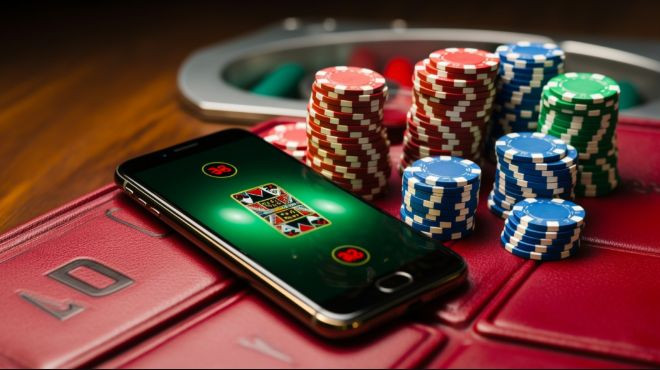
Exploring Dudespin Casino’s Commitment to Responsible Gaming
Dudespin Casino places a strong emphasis on responsible gaming, offering a variety of resources to help players stay in control. By promoting educational materials about the risks of gambling and the signs of addiction, the platform aims to foster a safe gaming environment for all users. Their commitment to responsible practices is reflected in the measures they have implemented, such as deposit limits and self-exclusion options, allowing players to manage their gaming habits effectively.
Furthermore, Dudespin Casino provides access to support services for those who may be struggling with gambling-related issues. By partnering with organizations that specialize in addiction support, the platform ensures that players have access to the necessary resources for seeking help. This dedication not only demonstrates their commitment to player welfare but also fosters a community that prioritizes safe and enjoyable gaming experiences.
As a premier online gaming platform in Canada, Dudespin Casino combines an extensive selection of games with a robust approach to responsible gambling. By addressing the psychological triggers that drive gambling behavior, they strive to create an engaging yet safe environment. Players can enjoy their gaming experience with peace of mind, knowing that support and resources are readily available to promote healthier gambling habits.